The Ultimate Guide to Cryptocurrency Mining Hardware

Updated: Jul 13
What is Crypto Mining?
Crypto mining is the process of validating transactions on a blockchain network and adding them to the public ledger. Miners use powerful computers to solve complex mathematical problems. In return, they are rewarded with cryptocurrency. This process not only secures the network but also introduces new coins into circulation.
Why is Hardware Important?
The hardware you choose for mining can significantly impact your profitability. Different types of hardware have varying levels of efficiency, power consumption, and initial costs. Understanding these differences is crucial for making an informed decision.
Types of Mining Hardware
1. CPU Mining
Central Processing Unit (CPU) mining is the simplest form of mining. It involves using your computer's processor to mine cryptocurrencies. While it is accessible for beginners, it is not very efficient for most cryptocurrencies today.
Pros:
- Easy to set up
- No additional investment required
Cons:
- Low profitability
- Limited to specific coins
2. GPU Mining
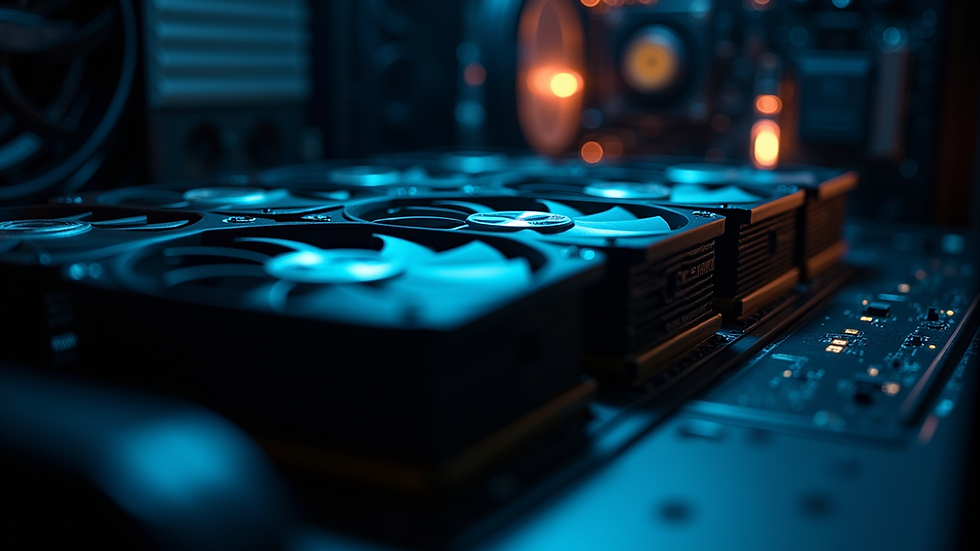
Graphics Processing Unit (GPU) mining is more popular than CPU mining. GPUs are designed for rendering graphics, making them more efficient for mining tasks. They can mine a variety of cryptocurrencies, including Ethereum.
Pros:
- Higher hash rates compared to CPUs
- Versatile for different coins
Cons:
- Higher initial investment
- Increased power consumption
3. ASIC Mining
Application-Specific Integrated Circuits (ASIC) are specialized devices designed solely for mining specific cryptocurrencies. They offer the highest efficiency and hash rates but are limited to the coins they are designed for.
Pros:
- Extremely high hash rates
- Energy-efficient
Cons:
- High upfront cost
- Limited to specific cryptocurrencies
4. FPGA Mining
Field-Programmable Gate Arrays (FPGAs) are customizable hardware that can be programmed for specific mining algorithms. They offer a balance between efficiency and flexibility.
Pros:
- Customizable for different algorithms
- More energy-efficient than GPUs
Cons:
- Requires technical knowledge to set up
- Higher initial cost than GPUs
Choosing the Right Hardware
When selecting mining hardware, consider the following factors:
Hash Rate
The hash rate measures how many calculations your hardware can perform per second. A higher hash rate means better performance and increased chances of earning rewards.
Power Consumption
Mining consumes a significant amount of electricity. It's essential to choose hardware that balances performance with power efficiency to maximize profitability.
Initial Cost
Consider your budget when purchasing mining hardware. ASIC miners tend to be more expensive upfront, while CPU mining requires no additional investment.
Longevity
The cryptocurrency market is volatile, and hardware can become obsolete quickly. Choose hardware that has a good track record and is likely to remain relevant for a longer period.
Setting Up Your Mining Rig
Once you've selected your hardware, it's time to set up your mining rig. Here’s a step-by-step guide:
Step 1: Gather Your Components
You will need:
Mining hardware (CPU, GPU, ASIC, or FPGA)
Motherboard
Power supply unit (PSU)
Cooling system (fans or liquid cooling)
Mining software
Step 2: Assemble the Rig
Install the motherboard: Secure it in the case.
Attach the power supply: Connect it to the motherboard and hardware.
Install the cooling system: Ensure proper airflow to prevent overheating.
Connect the mining hardware: Insert GPUs or ASICs into the motherboard.
Step 3: Install Mining Software
Choose mining software compatible with your hardware and the cryptocurrency you want to mine. Popular options include:
CGMiner
BFGMiner
EasyMiner
Step 4: Join a Mining Pool
Mining solo can be challenging due to the high competition. Joining a mining pool allows you to combine resources with other miners, increasing your chances of earning rewards.
Step 5: Start Mining
Once everything is set up, launch your mining software and start mining. Monitor your rig's performance and make adjustments as necessary.
Maintenance and Monitoring
Maintaining your mining rig is crucial for optimal performance. Here are some tips:
Regularly check temperatures: Ensure your hardware is not overheating.
Update software: Keep your mining software up to date for better performance and security.
Clean your rig: Dust can accumulate and affect cooling efficiency. Regular cleaning can prolong the life of your hardware.
Profitability Considerations
Mining profitability depends on several factors, including:
Electricity costs: Calculate your electricity expenses to determine if mining is profitable.
Coin value: The value of the cryptocurrency you are mining can fluctuate significantly.
Mining difficulty: As more miners join the network, the difficulty increases, impacting your potential earnings.
Advanced Mining Strategies
Understanding Mining Pools
Joining a mining pool can enhance your chances of earning rewards. In a pool, miners combine their computational power to solve blocks more quickly. This collective effort leads to more frequent payouts. Research different pools to find one that aligns with your goals.
Cloud Mining
Cloud mining allows you to rent mining power from a third party. This option eliminates the need for physical hardware and maintenance. However, it’s essential to choose a reputable provider to avoid scams.
Diversifying Your Mining Portfolio
Consider mining multiple cryptocurrencies. This strategy can help mitigate risks associated with market volatility. By diversifying, you can take advantage of different coins' price movements.
Staying Informed
The cryptocurrency landscape is constantly evolving. Staying updated on market trends, new hardware releases, and changes in mining algorithms is crucial. Follow industry news, join forums, and engage with other miners to stay ahead.
Conclusion
Investing in crypto mining hardware can be a rewarding venture if done correctly. By understanding the different types of hardware available and how to set up and maintain your mining rig, you can maximize your chances of success. Remember to stay informed about market trends and continuously evaluate your setup for optimal performance.
As you embark on your mining journey, consider starting small and gradually scaling up as you gain experience. Happy mining!
For more insights and resources, check out Crypto King Mining.


Comments